01
Science Diplomacy, Expertise & Authority
How scientific knowledge acquires authority, moves across political borders, and becomes an instrument of cooperation, negotiation, or geopolitical conflict.
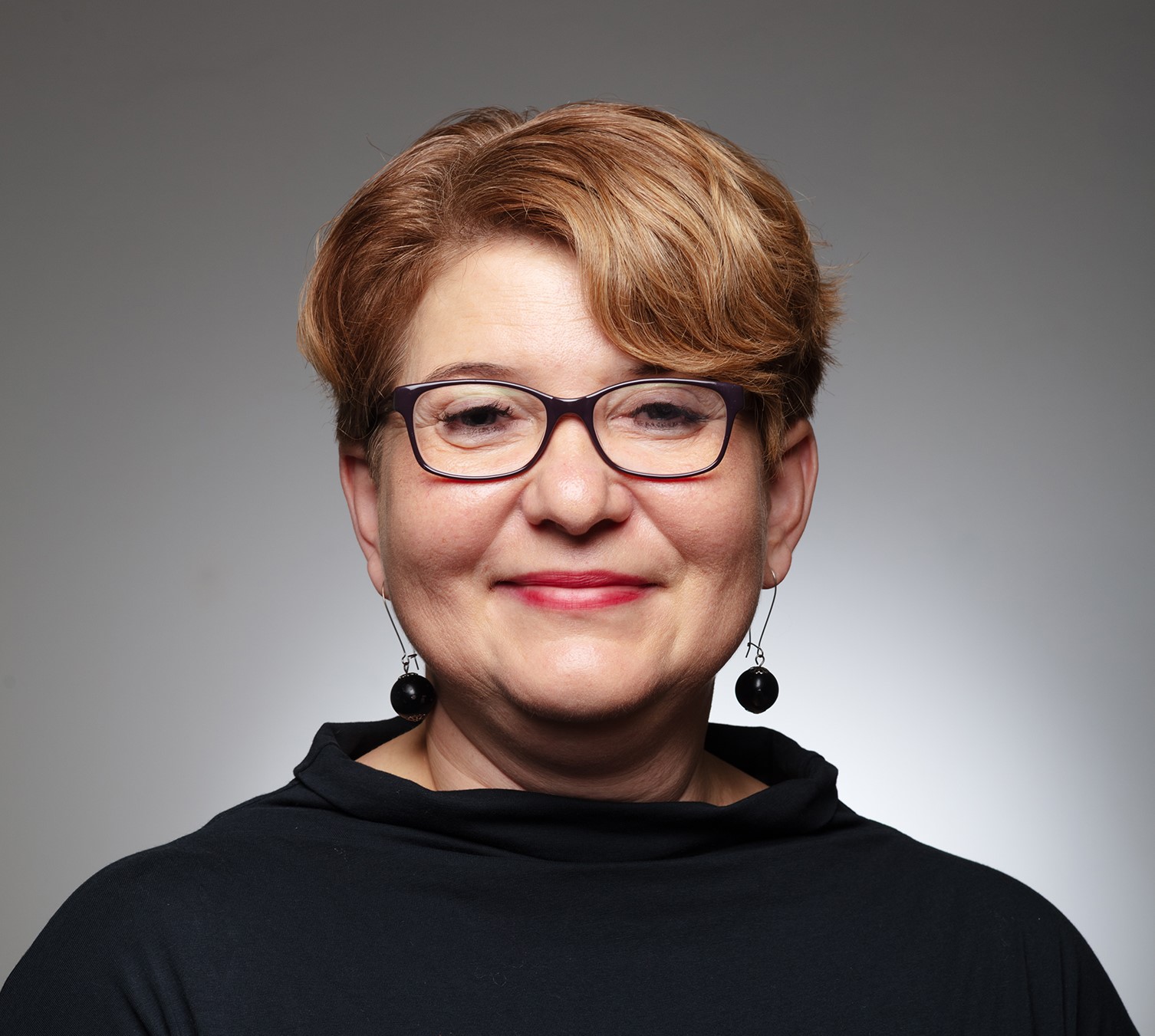
I study how knowledge becomes authority, how environmental conflict gives scientific claims public urgency, and how emotion transforms expertise into political change.
Download CVHow does scientific knowledge become authoritative, emotionally charged, and politically consequential?
My research traces this chain across science diplomacy, environmental history, Cold War politics, and the history of emotions. It places Central and Eastern Europe inside the global history of science and follows the changing relationship between knowledge, authority, public feeling, and political action.
How scientific knowledge acquires authority, moves across political borders, and becomes an instrument of cooperation, negotiation, or geopolitical conflict.
How environmental knowledge, risks, and controversies connected Central and Eastern Europe to global scientific programmes and transnational politics.
How trust, fear, hope, and indignation shape the production and reception of scientific knowledge — and turn expertise into political action.
Trust → production of ignorance → transnational expertise → crisis of authority. A new history of nuclear and environmental risk through the IAEA, Jaslovské Bohunice, Austrian monitoring and Gabčíkovo–Nagymaros.
Leading and connecting research across institutions, disciplines, and political borders.
Czechoslovak Pugwash and Pugwash in Czechoslovakia
Czech Science FoundationVisit projectBooks and articles that define my international research profile.
Centaurus
Oxford University Press · Science and Technology in International Relations
Czechoslovak Pugwash and Pugwash in Czechoslovakia
ERC Advanced Grant · NEWORLD@A
Global Conflicts and Local Consequences · Czech Academy of Sciences
I am a Senior Researcher at the Institute of Political Studies, Faculty of Social Sciences, Charles University, working at the intersection of the history of science and technology, international relations, environmental history, and Cold War studies.
Trained in political science, international area studies, and contemporary history in Prague and at the Sorbonne, I examine how scientific knowledge acquires authority and moves across political borders — and how environmental conflict and emotion make expertise politically consequential. My research connects Central and Eastern Europe to international organisations and global scientific networks, from Pugwash and Cold War science diplomacy to the environmental programmes that shaped planetary governance. Before joining Charles University, I spent more than a decade at the Institute of Contemporary History of the Czech Academy of Sciences, where I led the Department of Global Conflicts and Local Consequences. I also serve as Deputy Editor-in-Chief of Centaurus and help build international fields, networks, and collaborative research agendas.
History in the
present tense.
I bring historical perspective to contemporary debates on European politics, security, nuclear risk, and environmental conflict. Written in Czech for the national daily Právo.
Wires Above NATO’s Vulnerable Point
Dráty nad zranitelným místem NATO
Právo · OpinionWhat the Split in Poland’s Opposition Will Bring
Co přinese štěpení v polské opozici
Právo · OpinionCommunists Concealed Nuclear Accidents Near Bratislava
Jaderné nehody u Bratislavy komunisté tajili
Právo · OpinionWhom Would Environment Minister Vavroušek Vote for Today?
Koho by dnes volil ministr životního prostředí Vavroušek
Právo · OpinionWhen Kissinger and Nixon Came to Visit Us Privately
Když k nám soukromě jezdili Kissinger a Nixon
Právo · OpinionMacron Took the Gamble, Ended the Boredom — the Result Remains to Be Seen
Macron to zkusil, ukončil nudu a výsledek se uvidí
Právo · Opinion